July 17, 2026
In a fast-paced environment where commercial logistics and individual travel rely heavily on vehicle uptime, prompt arrival speeds represent the bedrock of excellent roadside support. When an unexpected mechanical failure or sudden collision happens on a busy highway, the rapid deployment of roadside assistance directly impacts public safety and traffic flow. Prompt action prevents secondary accidents, reduces operator anxiety, and ensures disabled vehicles leave hazardous areas as quickly as possible. This article examines the vital importance of quick arrival windows within the professional towing industry, detailing how swift responses protect motorists and improve operational efficiency. Delivering reliable, expedited service allows recovery specialists to maintain a definitive competitive advantage while keeping regional highways safe and clear.
Elevating Customer Satisfaction Levels
Experiencing a sudden mechanical breakdown or a flat tire on an interstate is a stressful ordeal that leaves motorists feeling highly vulnerable. When a driver is stranded on a dark shoulder next to speeding traffic, every passing minute heightens their anxiety and compromises personal safety. Providing immediate roadside care acts as an effective antidote to this mounting tension by offering motorists a predictable, reassuring timeline for rescue. A swift arrival demonstrates deep respect for the motorist's schedule, transforming a stressful emergency into a well-managed situation that underscores the provider's professionalism.
Consistently delivering prompt assistance builds an enduring bond of trust between the towing specialist and the surrounding community. Motorists who experience efficient help during stressful emergencies remember that reliability and frequently recommend those services to corporate colleagues, neighbors, and family members. This positive local reputation drives steady repeat business from individual car owners and commercial fleet managers who need dependable support. Swift interventions prove that the service team deeply values customer welfare, turning standard emergency service calls into lasting client relationships rooted in consistent performance.
Minimizing Roadside Safety Hazards
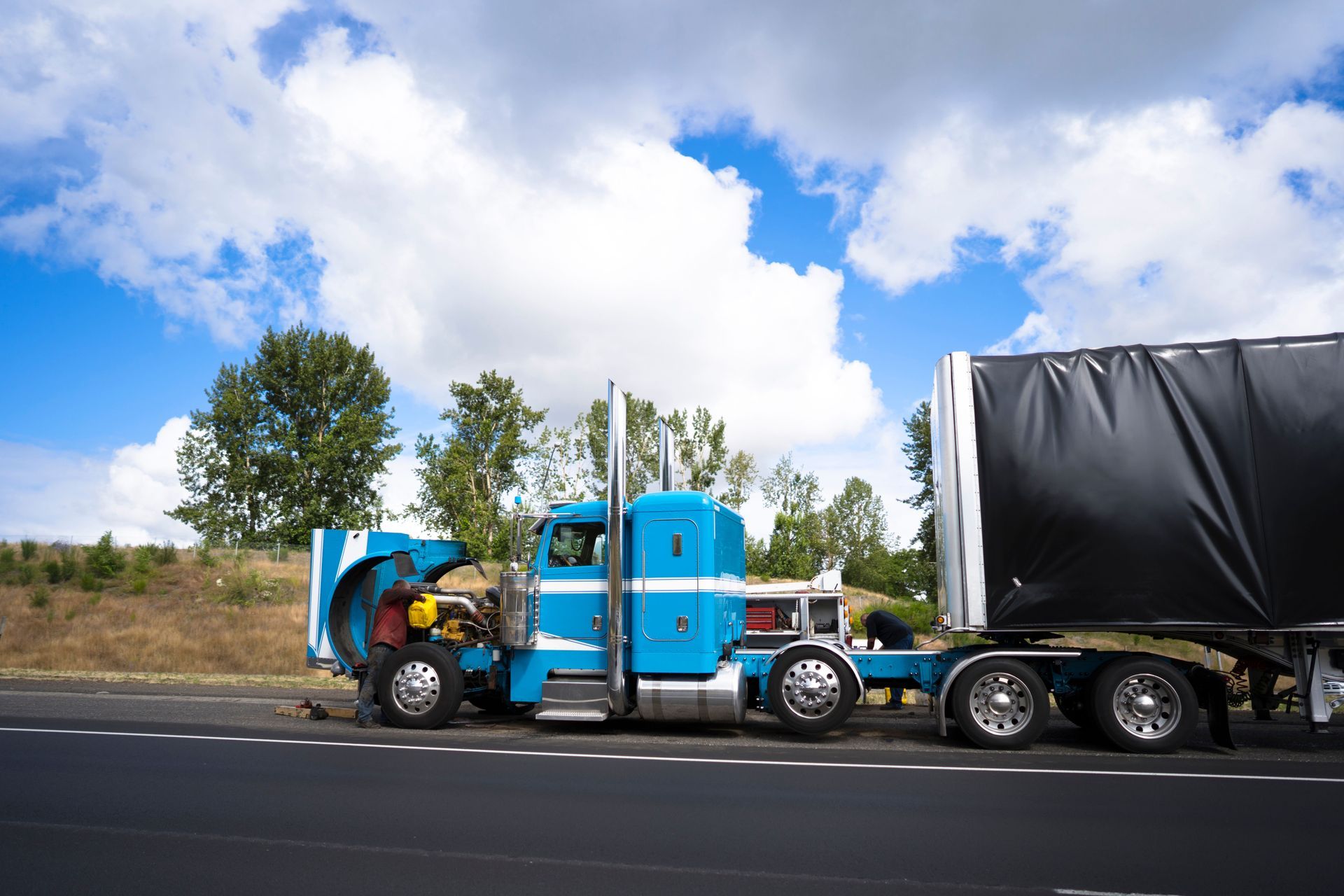
Vehicles requiring emergency towing that are left stationary on high-speed shoulders pose severe dangers to passing travelers and responding field technicians. The longer a broken-down vehicle remains next to active travel lanes, the higher the probability of a dangerous secondary collision occurring. Quick dispatches mitigate these environmental risks, clearing physical obstructions from the roadway before severe chain-reaction accidents develop. Rapid response strategies are especially critical on major freight corridors where large commercial trucks require ample space and specialized recovery care to clear safely without halting regional commerce.
Promptly addressing highway breakdowns protects recovery crews who work just a few feet away from speeding traffic. By compressing the service timeline, technicians minimize their exposure to roadside perils while performing tire changes, lockout assistance, or battery jump-starts. Swift action also ensures road blockages clear out before major gridlock ripples through transit networks, reducing fuel waste from idling vehicles. Prioritizing fast arrivals protects local ecosystems from hazardous fluid leaks that can escape damaged engine compartments and pollute nearby soil or municipal water systems.
Optimizing Fleet Operational Efficiency
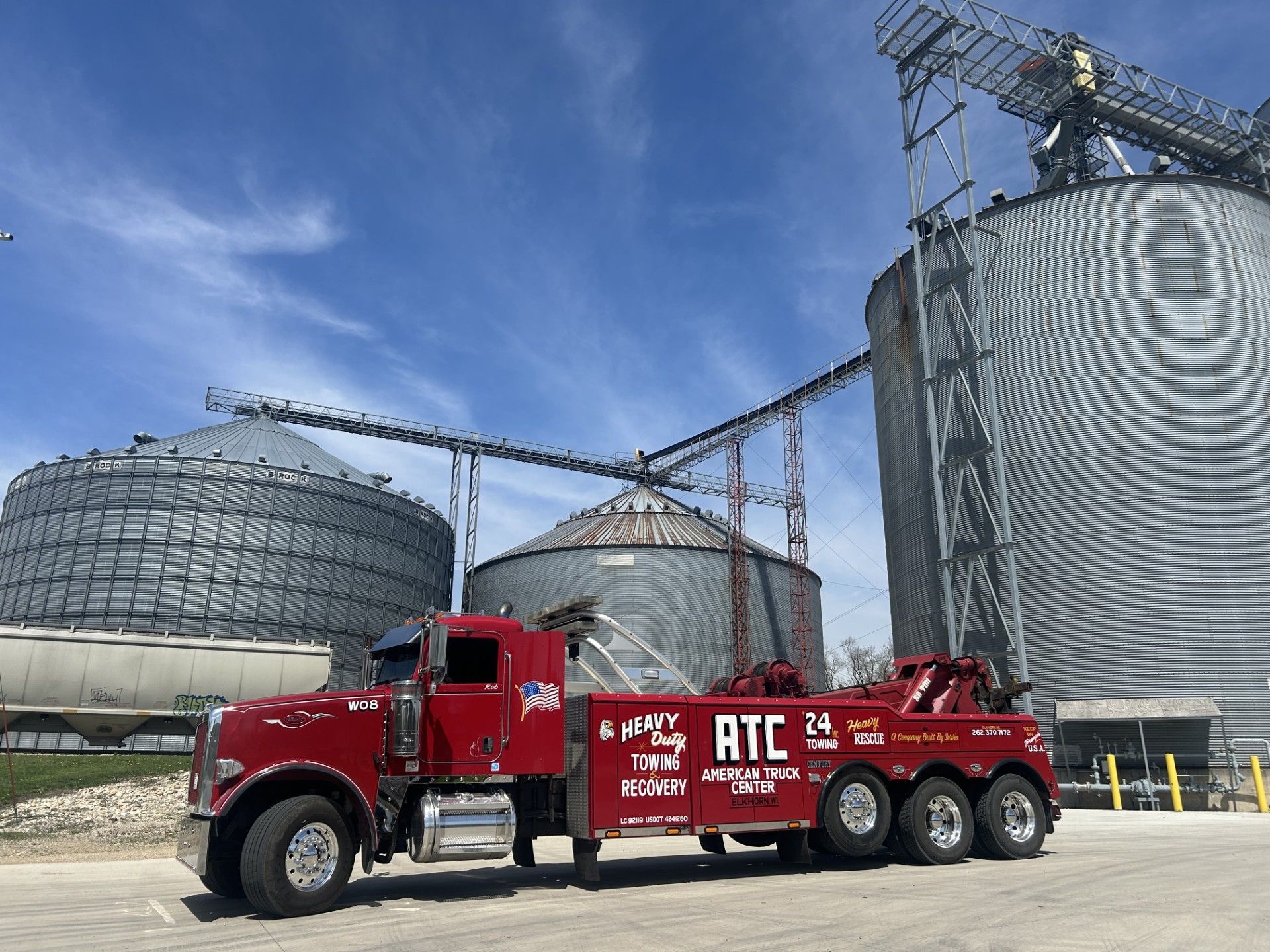
Internal logistics within a modern towing company rely heavily on the rapid resolution of service requests to maximize daily equipment utilization. When operators optimize route planning and deployment schedules, the entire organization functions with greater agility, completing more service calls during a shift. This operational optimization requires a thorough understanding of localized traffic patterns, common breakdown locations, and peak hours for vehicle failures. Maintaining a highly responsive deployment model ensures that heavy-duty wreckers and specialized personnel remain productive instead of sitting idle in traffic congestion.
Efficient communication protocols between office dispatchers and field operators remove administrative friction and compress service completion cycles. Utilizing advanced positioning tools ensures the nearest available recovery asset receives assignments without delay, minimizing fuel waste and unnecessary mileage. Streamlining paperwork and administrative logging allows frontline technicians to focus entirely on vehicle recovery and immediate roadside safety priorities. Consequently, this cohesive service delivery model maximizes overall operational capacity, allowing the organization to assist a much wider segment of local stranded drivers.
Gaining Strong Competitive Advantages
The local towing market is highly competitive, requiring companies to leverage exceptional operational metrics to separate themselves from alternative choices. Motorists facing urgent highway crises rarely tolerate long delays, choosing instead the enterprise that guarantees the fastest arrival time. Rapid dispatch serves as an invaluable marketing asset that naturally attracts safety-conscious consumers and commercial fleet dispatchers. Investing in response efficiency allows an organization to capture expanded market share, solidifying its local reputation as a premier emergency service provider.
Displaying authentic customer testimonials emphasizing rapid arrival times heavily influences a stranded motorist's decision-making process during a crisis. When potential clients review real-world accounts praising rapid responses, their confidence grows, boosting conversion rates from digital search channels. This operational excellence enhances local search visibility, as positive reviews mentioning quick response speeds elevate the company's online profile. Expanding operational coverage across adjacent counties becomes achievable when the underlying dispatch strategy relies on speed, ensuring consistent service quality across vast geographical distances.
Implementing Modern Dispatch Systems
Modern positioning technology and advanced routing software form the foundation of rapid response logistics, allowing dispatchers to monitor field assets with precision. These digital tools analyze live traffic data, construction zones, and weather hazards to provide operators with the fastest paths to stranded motorists. By utilizing these routing resources, crews bypass severe congestion, lowering wait times for clients dealing with unexpected mechanical trouble. This precise navigation improves operational accuracy, ensuring the correct specialized equipment reaches the scene on the initial attempt.
Automated scheduling systems remove human error by immediately matching service requests with the closest available vehicle in the field. These digital notifications keep technicians coordinated and fully informed about the specific nature of the call, whether handling heavy recovery or simple roadside assistance. According to Gitnux, vehicle lockout assistance accounts for 19% of roadside dispatches that do not require an actual vehicle transport. Having clear situational data beforehand allows crews to prepare tools in advance, ensuring every service call concludes safely and efficiently.
Analyzing Proven Industry Strategies
Reviewing successful operational frameworks from across the nation demonstrates that continuous workforce training and logistical adjustments are essential for maintaining low towing response times. Industry leaders consistently evaluate historical deployment metrics to spot recurring delays and adjust vehicle staging areas to match regional demand. This data-driven strategy builds an organizational culture centered on continuous improvement, where every team member recognizes the value of a saved minute. Adapting to evolving infrastructure challenges keeps companies highly resilient, allowing them to satisfy emergency needs under any weather conditions.
Cultivating strong collaborative partnerships with local law enforcement and emergency responders significantly accelerates incident resolution speeds at accident scenes. Close coordination with highway patrols grants recovery teams rapid access to restricted zones, facilitating the quick removal of disabled commercial trucks and debris. Similar alliances with insurance groups streamline authorization processes, reducing administrative wait times for drivers needing flatbed transit. Embracing these cooperative relationships and tracking future transit developments ensures that a service provider remains perfectly positioned to deliver exceptional roadside help for years to come.
Prioritizing swift arrival windows represents much more than a standard customer service target; it remains an essential pillar of highway safety, operational success, and transit efficiency. By emphasizing rapid response speeds, dedicated towing companies protect stranded motorists from roadside hazards, aid law enforcement in managing traffic flow, and maximize the productivity of field assets. As transit networks grow increasingly complex, adopting advanced routing tools and maintaining deep community ties will remain critical for meeting the high expectations of motorists. Ensuring a steadfast dedication to speed guarantees that every emergency call is resolved with the highest standard of professional care and efficiency. To experience the peace of mind that comes with around-the-clock heavy-duty recovery, roadside assistance, and expert truck repair, contact us today at American Truck Center.