September 3, 2026
When a commercial truck or trailer becomes disabled, getting it moved safely is rarely as simple as connecting a tow strap and pulling it away. Heavy-duty vehicles require specialized equipment, careful planning, and operators who understand how their weight and configuration affect the recovery process. Choosing the right towing provider can help prevent additional damage while getting the vehicle where it needs to go.
A professional semi towing service is equipped to handle the demands associated with tractor-trailers, commercial trucks, and large trailers. Whether a vehicle has experienced mechanical failure, been involved in an accident, or become stuck in difficult terrain, professional assistance can make the recovery process safer and more controlled.
Heavy-Duty Vehicles Need Specialized Towing Equipment
Weight and Size Create Unique Towing Challenges
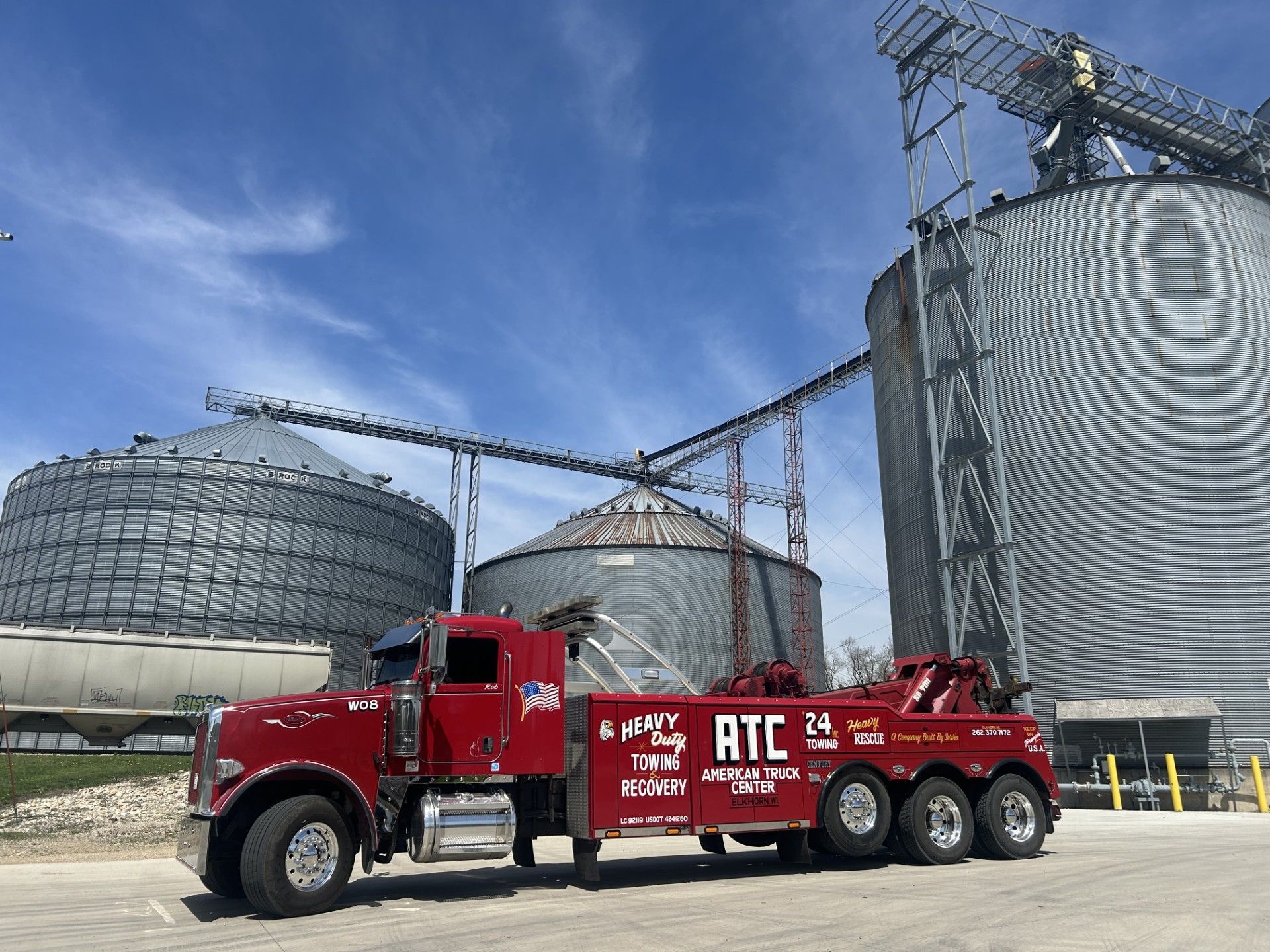
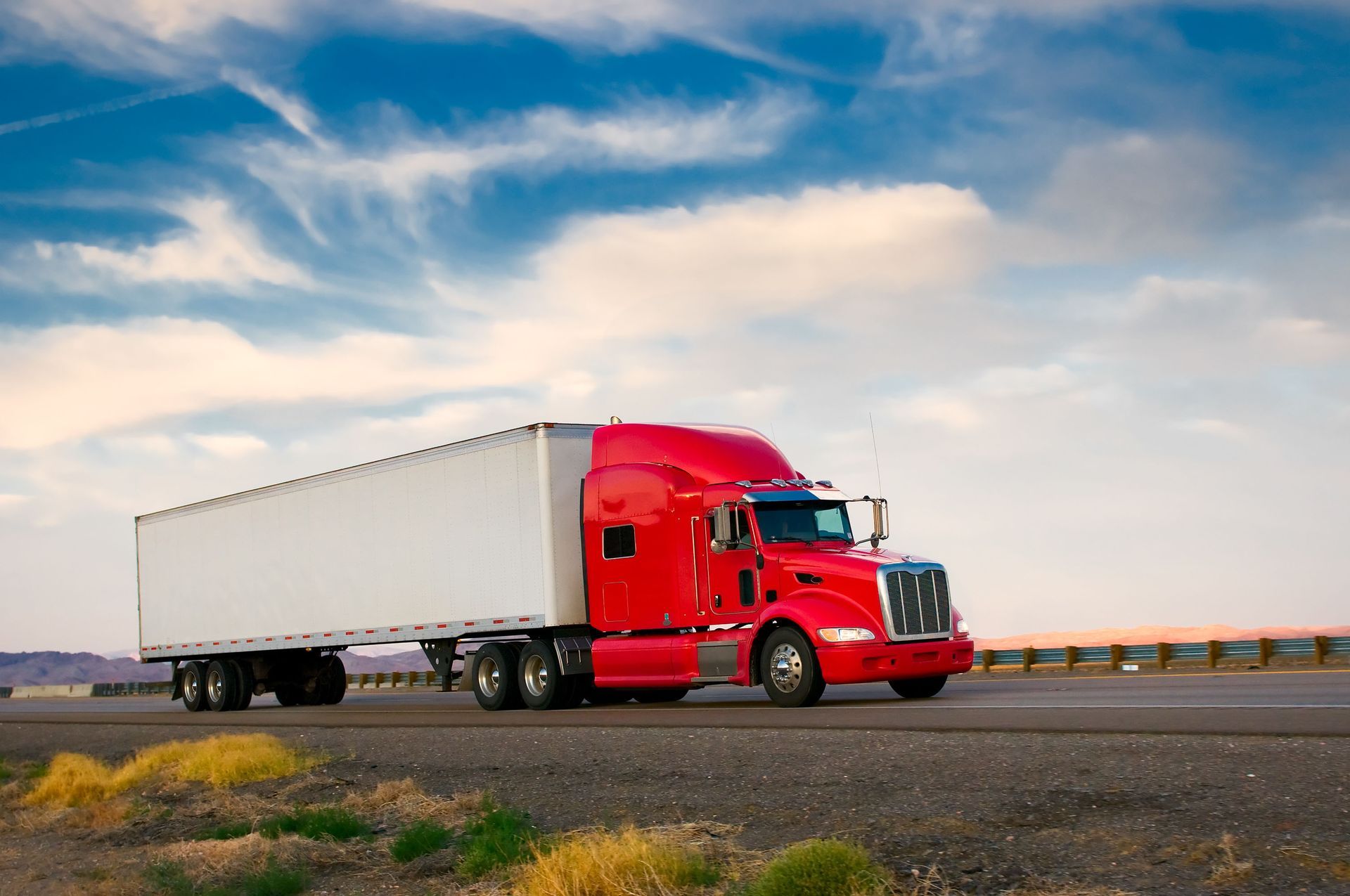
Commercial trucks and trailers are substantially larger and heavier than passenger vehicles, which means ordinary towing equipment may not be capable of handling them safely. According to JD Power, a semi-tractor can weigh between 10,000 and 25,000 pounds without a load, with the exact weight varying based on factors such as engine power, towing capacity, and cab configuration. Once cargo, a trailer, fuel, and additional equipment are included, the total weight involved in a recovery can increase considerably. A semi towing service has access to equipment designed specifically for these demanding conditions.
Proper Equipment Helps Prevent Additional Damage
Using inadequate equipment can place unnecessary stress on a truck's frame, suspension, axles, drivetrain, or other components. Improper attachment points or towing techniques can also create problems that were not present when the vehicle originally broke down. Professional operators assess the vehicle's condition and determine how it should be secured and moved. Depending on the situation, the recovery may involve specialized heavy-duty wreckers, winching equipment, lifting systems, or other tools intended for commercial vehicles.
Different Trucks Require Different Recovery Methods
There is no universal towing procedure for every commercial vehicle. A loaded tractor-trailer may require a different approach than a box truck, dump truck, flatbed, refrigerated trailer, or specialty vocational vehicle. Operators must consider the vehicle's configuration, condition, cargo, and location before beginning the recovery. A semi towing service can evaluate these variables and select an appropriate method instead of relying on a one-size-fits-all approach that could compromise safety or cause unnecessary damage.
Professional Recovery Reduces Safety Risks
Disabled Commercial Vehicles Can Create Roadway Hazards
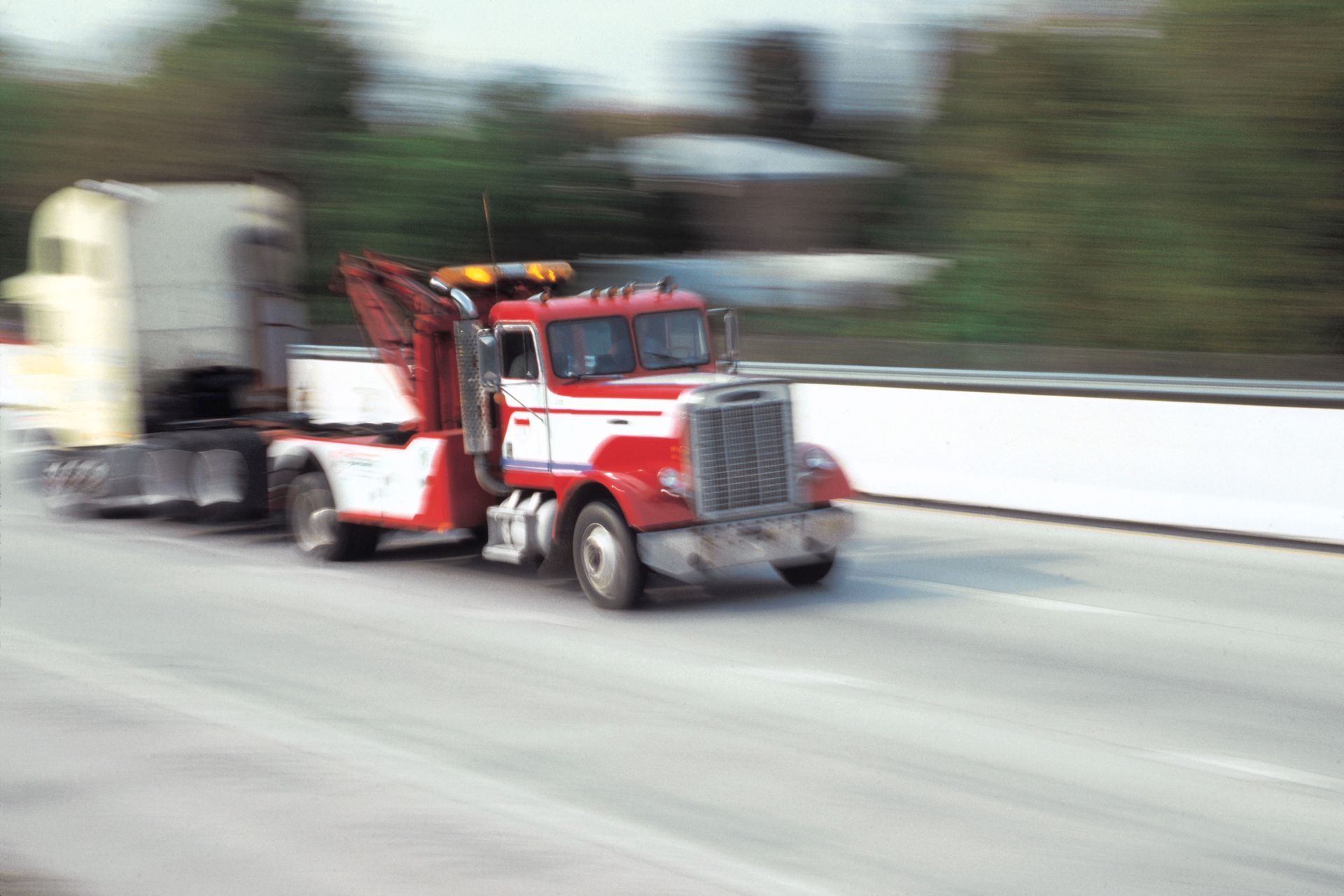
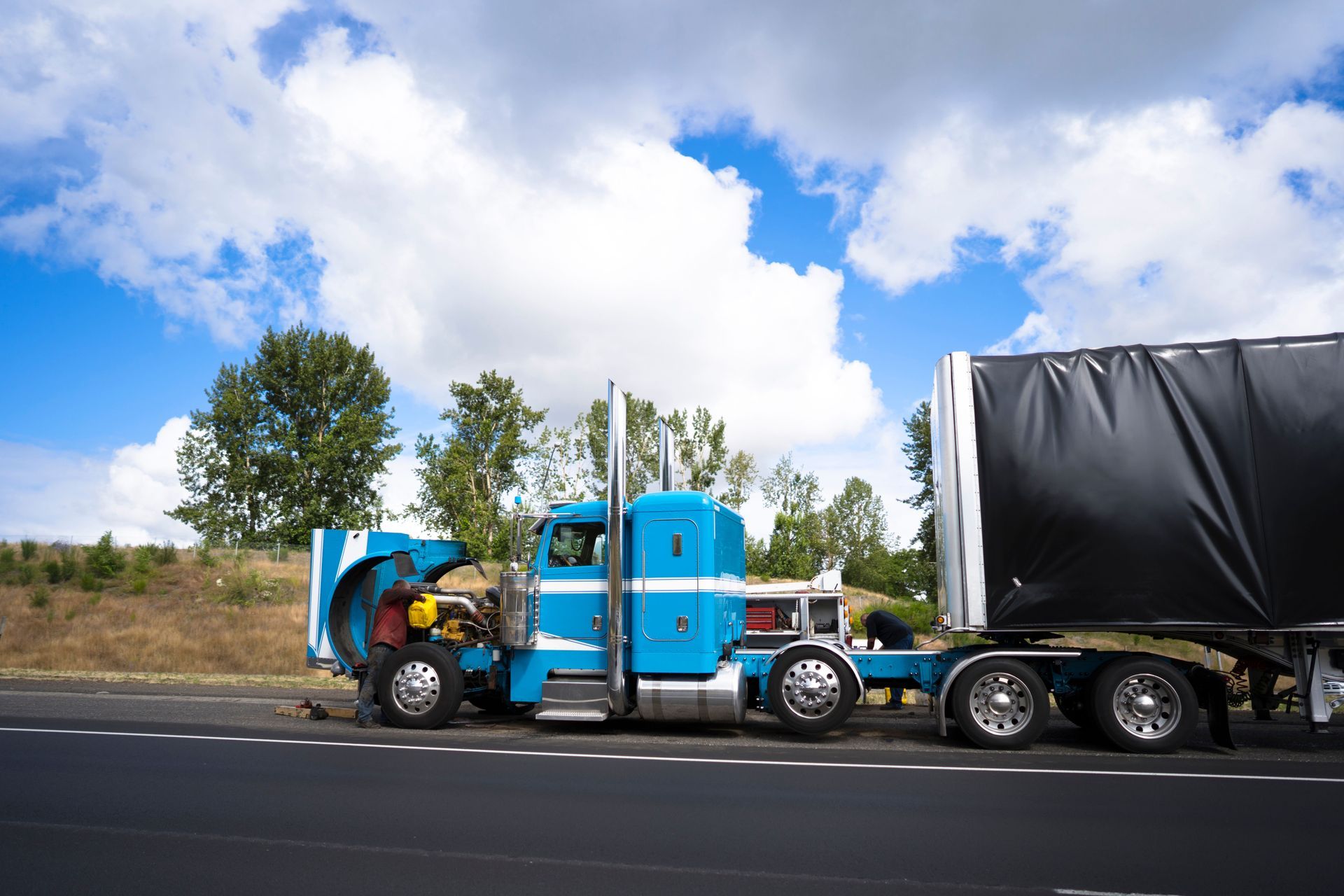
A disabled tractor-trailer can present serious hazards when it stops along a busy roadway, narrow shoulder, or other challenging location. Large vehicles can obstruct traffic lanes, limit visibility, and create difficult conditions for other motorists. Accident-damaged trucks and trailers can be especially difficult to move because their components may be unstable or their original orientation may have changed. Professional towing operators know how to approach these situations carefully while working to stabilize and recover the vehicle.
Accident and Off-Road Recoveries Need Careful Planning
Not every tow involves a straightforward roadside breakdown. Trucks and trailers can become stuck in mud, snow, soft ground, or other difficult terrain. They may also jackknife, roll over, become detached, or sustain substantial damage during an accident. These situations require more than simply pulling the vehicle toward the nearest roadway. A semi towing service can assess the recovery area, determine how the vehicle should be secured, and use appropriate recovery equipment to move it in a controlled manner.
Operators Know How to Secure the Vehicle for Transport
Before a heavy-duty vehicle is transported, it needs to be properly prepared and secured. Depending on the circumstances, this can involve addressing the axles, driveshaft, wheels, suspension, or other components to help prevent drivetrain or mechanical damage during movement. Professional operators understand that a disabled truck may not be safe to tow in the same manner as a fully operational vehicle. Their preparation helps reduce unnecessary strain and keeps the vehicle more secure throughout the recovery and transportation process.
Expert Towing Helps Minimize Commercial Downtime
Breakdowns Can Quickly Disrupt Business Operations
For commercial drivers and fleet operators, a disabled truck is more than an inconvenience. It can interfere with delivery schedules, affect routes, delay customers, and leave valuable equipment unavailable. The longer a vehicle remains out of service, the greater the potential impact on normal operations. A semi towing service provides a practical way to begin addressing the problem so the truck or trailer can be moved to an appropriate repair facility or another designated location.
Emergency Assistance Is Not the Only Reason to Tow
Professional heavy-duty towing can also support planned transportation and equipment relocation. A truck or trailer may need to be moved because of scheduled maintenance, mechanical repairs, fleet reorganization, construction activity, or another operational requirement. Specialized towing can also assist with relocating equipment and transporting vehicles that cannot safely or legally be driven under their own power. Having access to a capable towing provider can make these situations easier to coordinate.
Around-the-Clock Support Provides Greater Flexibility
Vehicle failures and accidents do not follow convenient schedules. A breakdown can occur during the early morning, late at night, on a weekend, or during a holiday. For commercial operators, waiting until regular business hours may result in extended downtime and additional logistical complications. A semi towing service that provides 24/7 assistance can respond to emergencies whenever they occur. Quick dispatch, experienced operators, and appropriate equipment can help move the recovery process forward without unnecessary delays.
Efficient Towing Solves Common Truck and Trailer Challenges
The Recovery Begins With a Situation Assessment
Before equipment arrives, useful information about the vehicle and circumstances can help the towing provider prepare for the job. Details such as the truck or trailer type, approximate weight, cargo, location, mechanical problem, and whether the vehicle is obstructing traffic can help determine what equipment and personnel are needed. Providing accurate information during the initial call can make the response more efficient and reduce the possibility of arriving with equipment that is not suitable for the situation.
Operators Prepare the Vehicle Before Moving It
Once on scene, towing professionals assess the vehicle and surrounding area before beginning the recovery. They may establish a safe working area, inspect the truck or trailer, and identify appropriate attachment points. If the vehicle has sustained mechanical or collision damage, additional precautions may be necessary before it can be moved. Proper preparation is particularly important for heavy-duty equipment because mistakes during this stage can create further damage or increase risks for the operators and nearby motorists.
Transportation Requires Secure Handling
After the vehicle has been recovered, it must remain properly secured throughout transportation. The destination may be a repair facility, fleet yard, terminal, job site, or another designated location. A professional semi towing service understands how to transport large commercial vehicles while accounting for their dimensions, condition, and configuration. This attention to detail helps protect the vehicle during the final stage of the process and allows the owner or operator to focus on getting the truck back into service.
Truck and trailer towing involves challenges that extend far beyond the capabilities of standard towing methods. The size, weight, configuration, condition, and location of a commercial vehicle all influence how it should be recovered and transported. Using specialized equipment and experienced operators helps reduce the likelihood of additional damage while creating a more controlled recovery process. When your truck or trailer needs a safe, dependable tow, contact American Truck Center for professional heavy-duty towing assistance.